🎉 Up to 70% Off Selected ItemsShop Sale

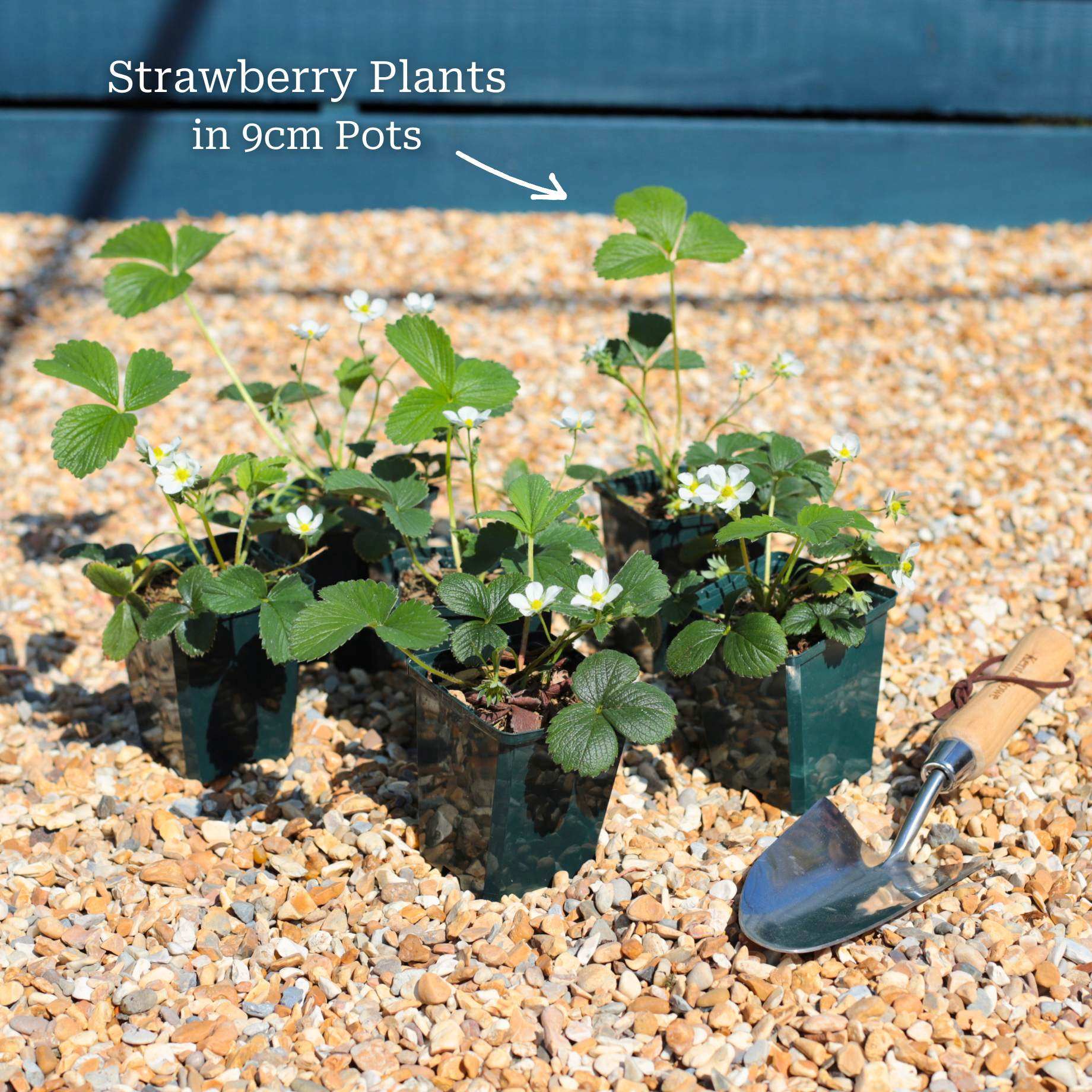
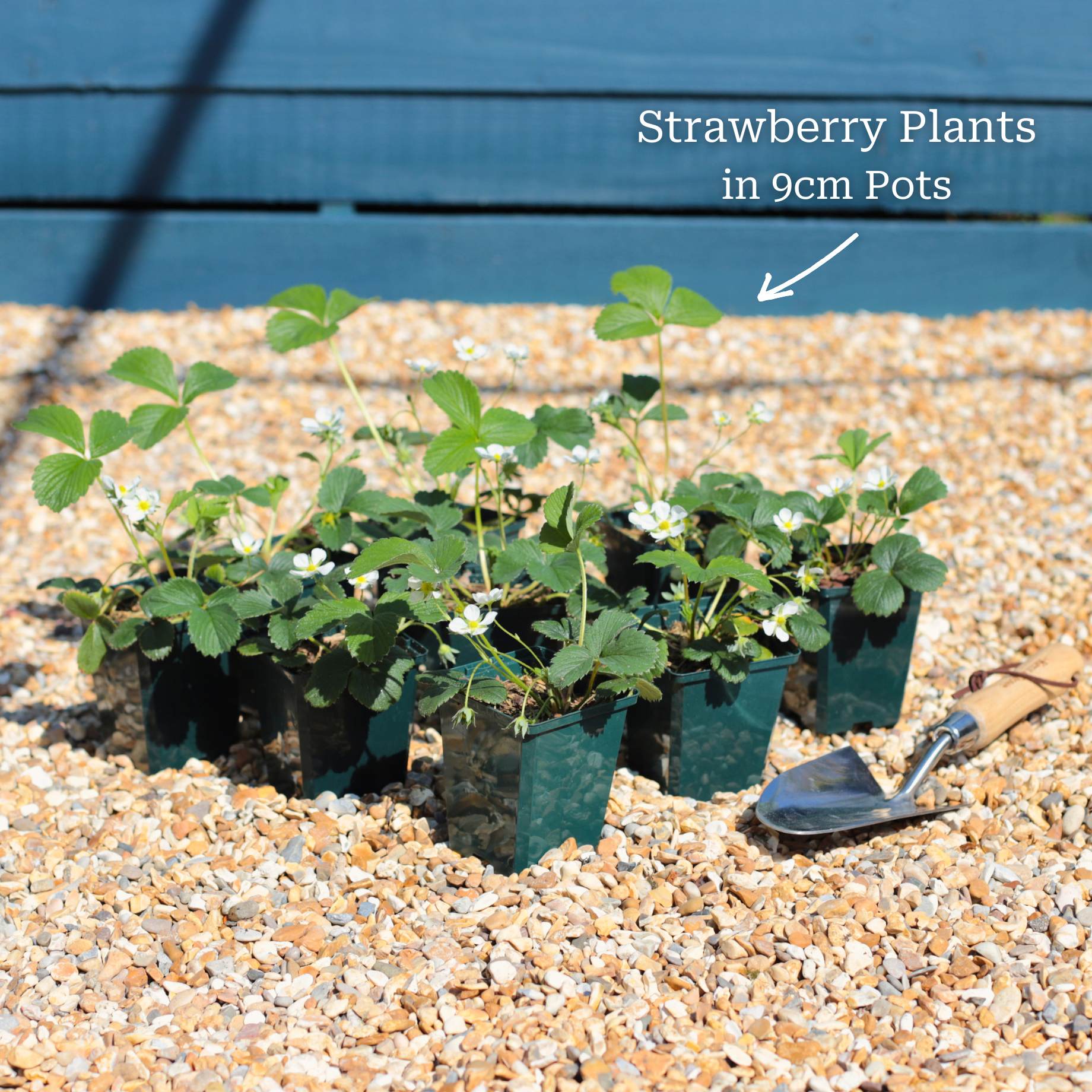
Alpine Strawberry Plants
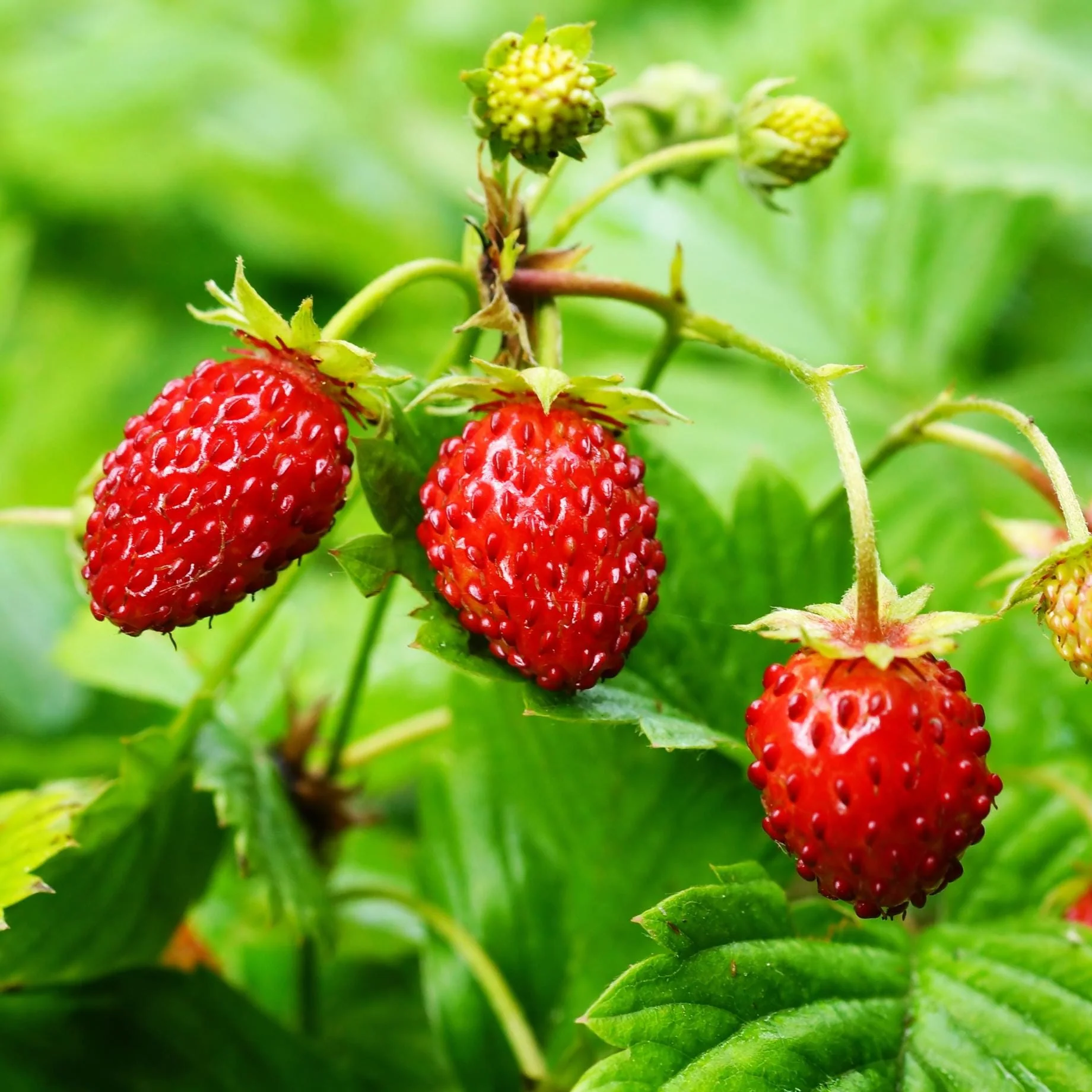
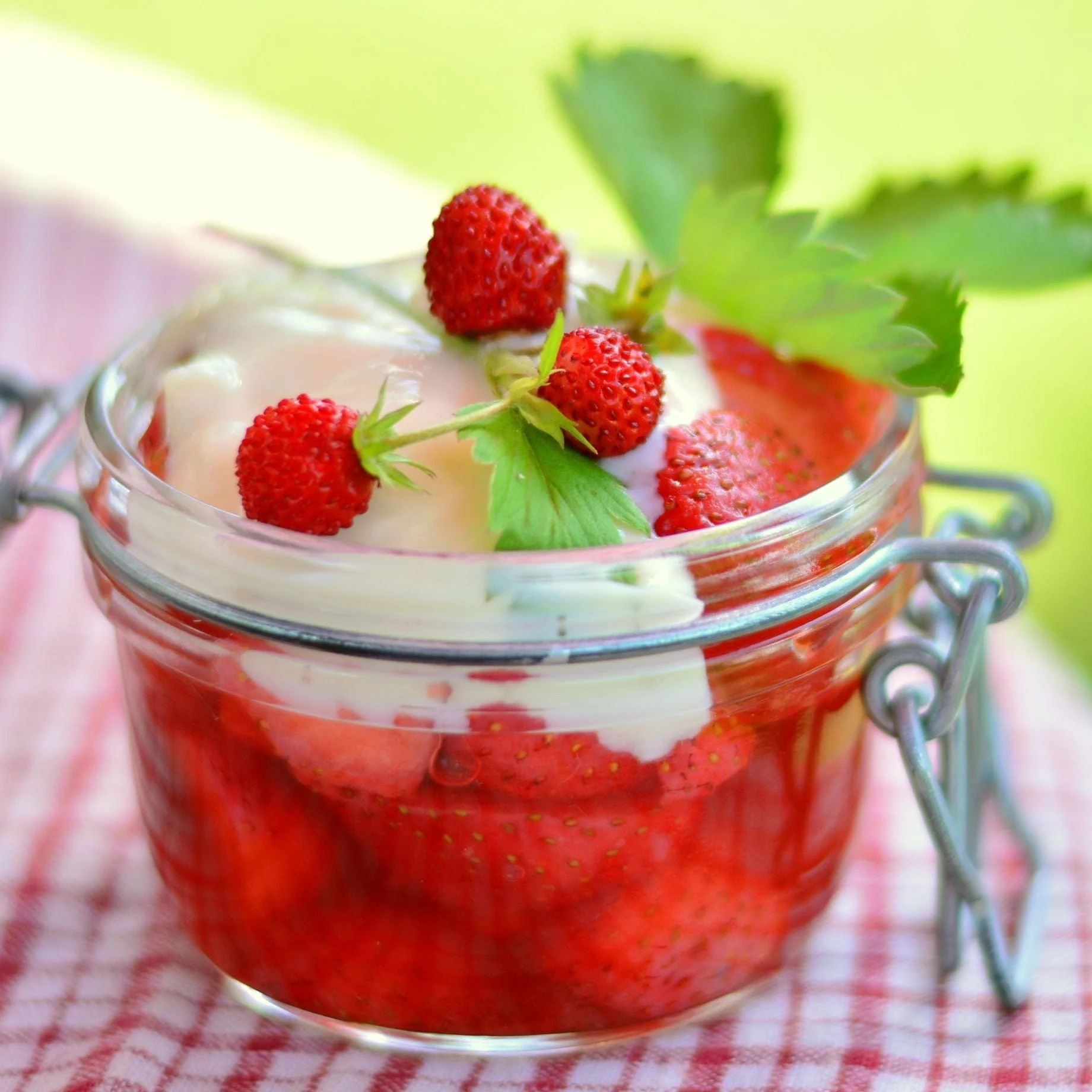
- Traditionally found in woodlands and meadows, the alpine strawberry is a truly exceptional plant, producing fruits that are smaller and rounder than other strawberries. As for the taste? Well, they're often referred to as gourmet strawberries, and are highly-favoured by chefs throughout the world.
- Alpine strawberries may be small, but the concentrated flavour they offer is intensely aromatic with well-balanced floral and pineapple notes. Once you've tried one, you might find yourself become something of a strawberry snob...
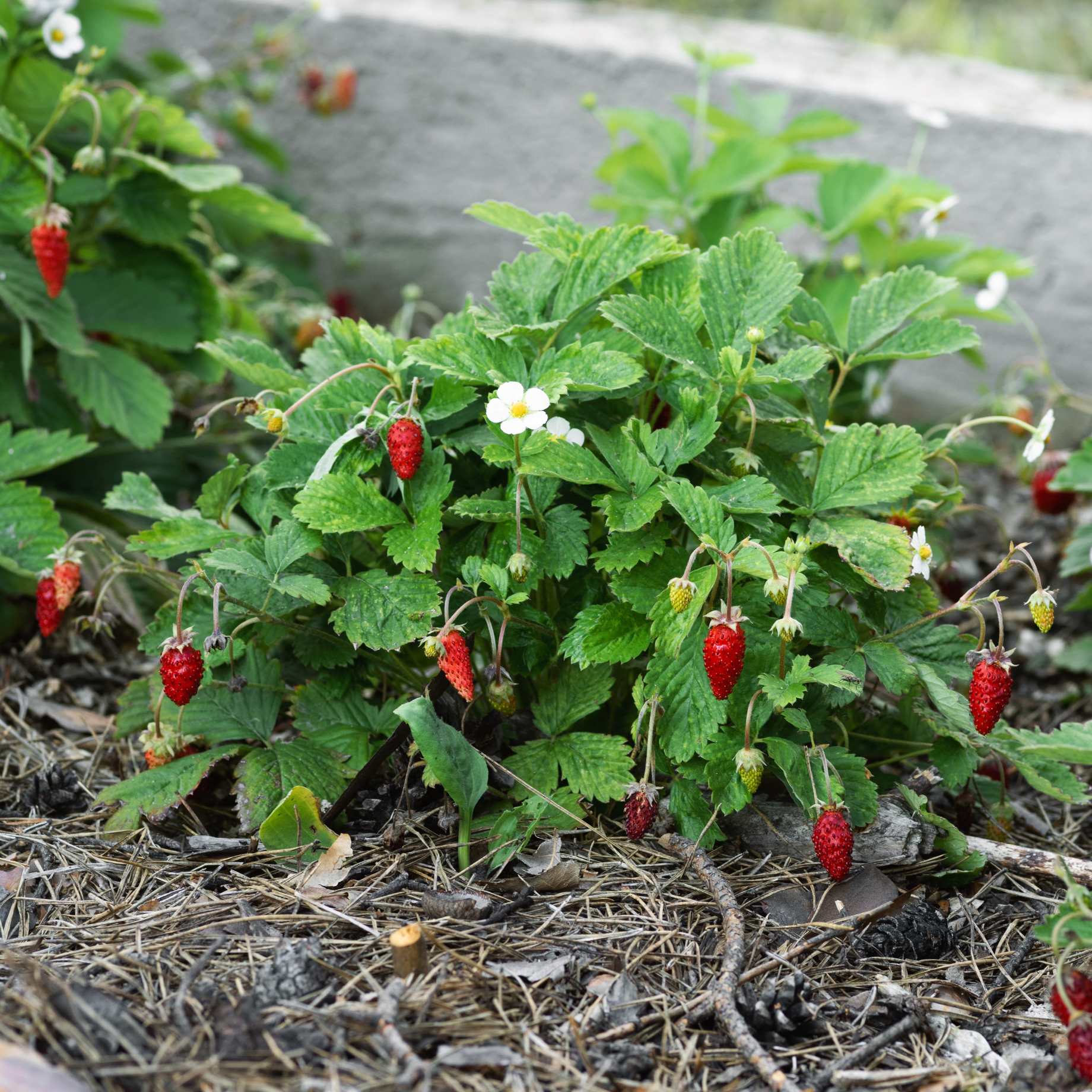
- Similar to everbearers, alpine strawberry plants flower and fruit intermittently from late spring through to early autumn and the first frosts. They crop steadily over the months, rather than in one short, heavy burst.
- Strawberry plants are certified with the Royal Horticultural Society's Plants for Pollinators status, indicating their benefits to bees, butterflies and other pollinating insects. Birds love strawberries, too, so you might want to add some bird-safe netting to keep your crop protected.
- These plants make for great groundcover and will often self-seed if left to their own devices. This makes them a great choice for traditional cottage gardens and more informal planting schemes.
Select Title
From $4.00
Original: $13.35
-70%Alpine Strawberry Plants—
$13.35
$4.00Product Information
Product Information
Shipping & Returns
Shipping & Returns
Description
- Traditionally found in woodlands and meadows, the alpine strawberry is a truly exceptional plant, producing fruits that are smaller and rounder than other strawberries. As for the taste? Well, they're often referred to as gourmet strawberries, and are highly-favoured by chefs throughout the world.
- Alpine strawberries may be small, but the concentrated flavour they offer is intensely aromatic with well-balanced floral and pineapple notes. Once you've tried one, you might find yourself become something of a strawberry snob...
- Similar to everbearers, alpine strawberry plants flower and fruit intermittently from late spring through to early autumn and the first frosts. They crop steadily over the months, rather than in one short, heavy burst.
- Strawberry plants are certified with the Royal Horticultural Society's Plants for Pollinators status, indicating their benefits to bees, butterflies and other pollinating insects. Birds love strawberries, too, so you might want to add some bird-safe netting to keep your crop protected.
- These plants make for great groundcover and will often self-seed if left to their own devices. This makes them a great choice for traditional cottage gardens and more informal planting schemes.